Elevate Your Culinary Creations with This Template
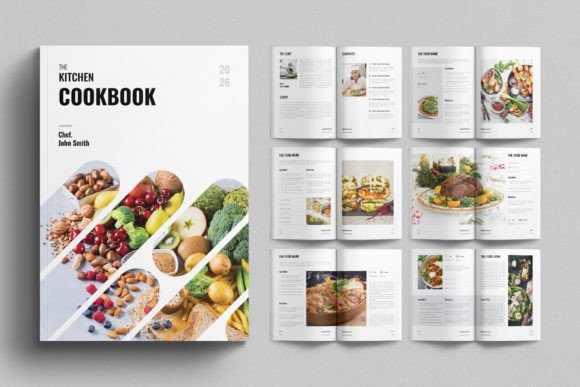
There is a particular kind of magic in a well-designed cookbook. It is more than a collection of recipes; it is a narrative, a visual journey that makes the food itself almost tangible before you have even stepped into the kitchen. For creators, chefs, and food bloggers, translating that sensory experience onto the page is a significant challenge. This is where a thoughtfully crafted design asset becomes invaluable. The Cookbook Template Recipe Book Design is a 16-page Adobe InDesign template built for exactly this purpose. It offers a structured yet flexible foundation for presenting modern, elegant, and minimal culinary concepts with professional polish.
A Framework for Modern Culinary Storytelling
At its core, this template understands the relationship between content and white space. Its personality is one of quiet confidence. The layout is clean, with ample room for stunning food photography to take center stage. Text is placed with intention, guiding the reader's eye from ingredient lists to method steps without visual clutter. The overall aesthetic is contemporary and sophisticated, avoiding overly ornate or rustic styles in favor of a timeless minimalism that lets your recipes and brand speak for themselves.
This design philosophy makes it exceptionally versatile. A vegan lifestyle brand could use it to create a crisp, health-focused booklet. A pastry chef could showcase delicate desserts against its neutral backdrops. A food photographer could compile a portfolio piece that feels like a published book. The template acts as a canvas, and its elegance is in its adaptability. It doesn't impose a personality; it provides the professional structure to amplify your own.
Practical Power: How This Template Influences Your Project
Using a pre-built design system like the Cookbook Template Recipe Book Design directly impacts the visual hierarchy of your publication. Master pages ensure consistent headers, footers, and page numbers, establishing a rhythm that is comfortable for the reader. Character and paragraph styles are already configured, meaning you can format all your titles, body text, and captions with a single click, guaranteeing professionalism and saving hours of manual work.
The influence on brand perception is substantial. A cohesive, well-designed recipe book signals quality and care. It builds trust with your audience, whether they are customers, readers, or clients. The template's organized layers and grid alignment mean your final product will have the polished consistency of a major publishing house output, which is a powerful tool for brand identity and recognition. The included free fonts are chosen for their readability and modern appeal, contributing to a seamless reading experience.
Putting the Template to Work: Real-World Applications
The value of this design asset extends across numerous projects. For a small business owner, it can be the backbone of a branded recipe booklet included with product orders, enhancing the unboxing experience. A food blogger can use it to create a lead magnet—a beautifully designed PDF recipe collection to grow their email list. A graphic designer can offer recipe book design as a service, using this template to streamline the process and deliver a premium product efficiently.
Its practicality is in the details. The availability of both A4 and US Letter sizes covers most print needs. The CMYK color mode is ready for professional printing. The separate layers for images, text, and backgrounds give you granular control during customization. You can swap the premade neutral color palette for your brand's colors in moments, ensuring the final piece is unmistakably yours. This is about working smarter, not harder, and focusing your creative energy on the content—the recipes and stories—rather than on foundational layout struggles.
Making It Your Own: A Guide for First-Time Use
When you first open the file, take a moment to explore its structure. Familiarize yourself with the master pages, which control the recurring elements. Check the help file for links to the free fonts and install them before you begin. This prevents any missing font errors and ensures your typography looks as intended.
As you customize, think about your content flow. A recipe page typically needs a clear hierarchy: a title, a subtitle or description, a yield and time block, an ingredient list, and method steps. The template is designed for this, but you can adjust spacing and font sizes within the established character styles to suit longer or shorter recipes. Test your layout by placing actual content early on. Does the text feel cramped? Is there enough space for your largest photo? The grid is your friend—aligning elements to it will maintain that clean, professional feel.
Finally, remember that while the template provides the structure, your unique perspective provides the soul. The photographs, the recipe notes, the personal stories—these are what will make your cookbook engaging. This Cookbook Template Recipe Book Design simply ensures those elements are presented with the clarity, elegance, and professionalism they deserve. It’s a tool designed to help you create something beautiful and functional, turning your culinary passion into a tangible, shareable piece of work.